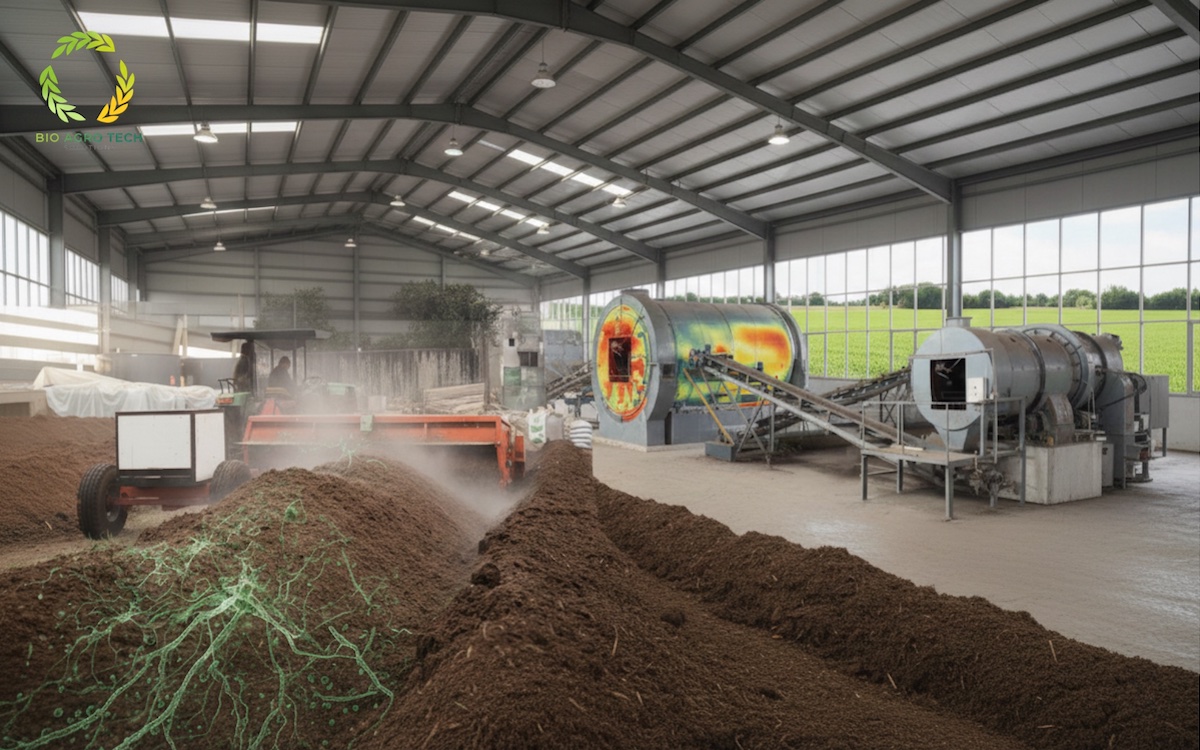
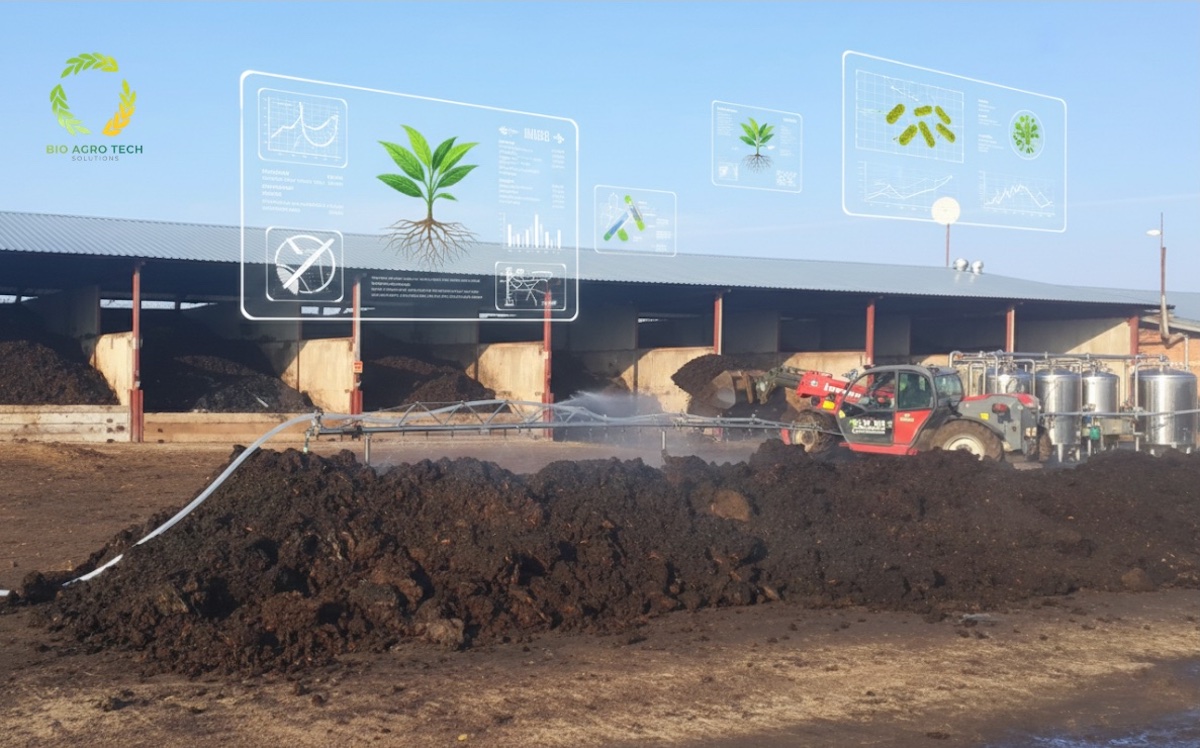
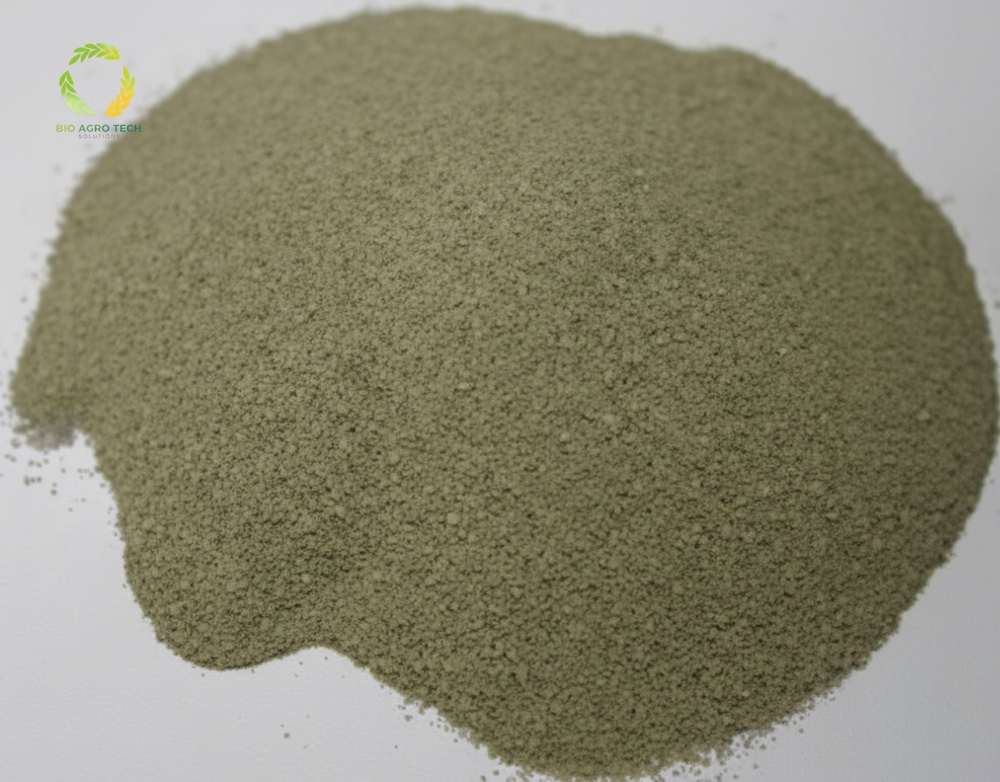
The technology used is an aerobic solids-state bioconversion (fermentation) applied to cow dung / horse manure / chicken litter in the mixture with the carbon-containing components of plant origin.
Due to the pretreatment of biological products and mixing in the correct proportion of carbon and nitrogen components, as well as due to active aeration with oxygen, waste within 7-28 days goes from pathogenically dangerous mass into organic compost looking and smelling like soil. Finished product is characterized by high content of humic acids, enzymes, and microorganisms, which enriches any soil with high efficiency.
The rate of application of such fertilizers in comparison with simple manure is less by 5-10 times, in relation to peat by 2-5 times. With the annual use of these fertilizers, soil fertility increases (organic matter increases annually by 25-30%).
The technology used is cheaper compared to traditional composting, unit costs are lower, fertilizer efficiency is 3-5 times higher.
Unlike Conventional Composting, BDF
Rapidly stabilizes dairy and poultry waste
Neutralizes odor and pathogenic risk
Conserves carbon and increases humic content
Reduces greenhouse gas emissions
Decreases dependence on chemical fertilizers
BY TYPES OF FINAL PRODUCT
EFFICIENCY OF ANIMAL WASTE PROCESSING
Organic fertilizers have different application rate according to their efficiency
Manure
Consumption per hectare:
60-80 t/ha
Green Compost
10-20 t/ha
Biohumus
2-5 t/ha
Liquid Humus
2-3 l./ha
BY BIODYNAMIC CONVERSION IN FERMENTERS
EFFICIENCY OF ANIMAL WASTE PROCESSING
After 30 days of Fermentation the Final product is biohumus and liquid humus rich in humic acids
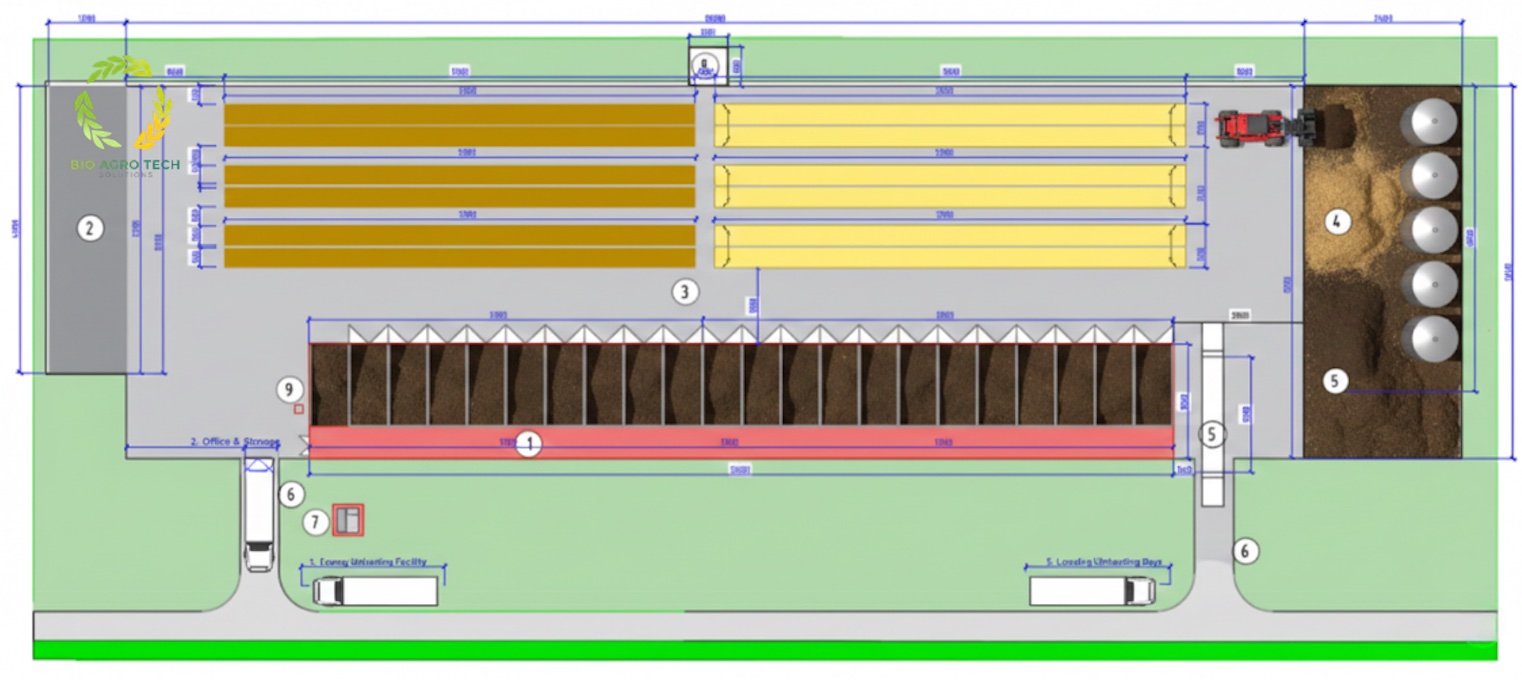
The volume of manure is 35,000 tons/year+15000 tons/year organic waste. The area of the concrete platform 4,000 m2
MAIN TECHNICAL SYSTEMS AND PROCESSES
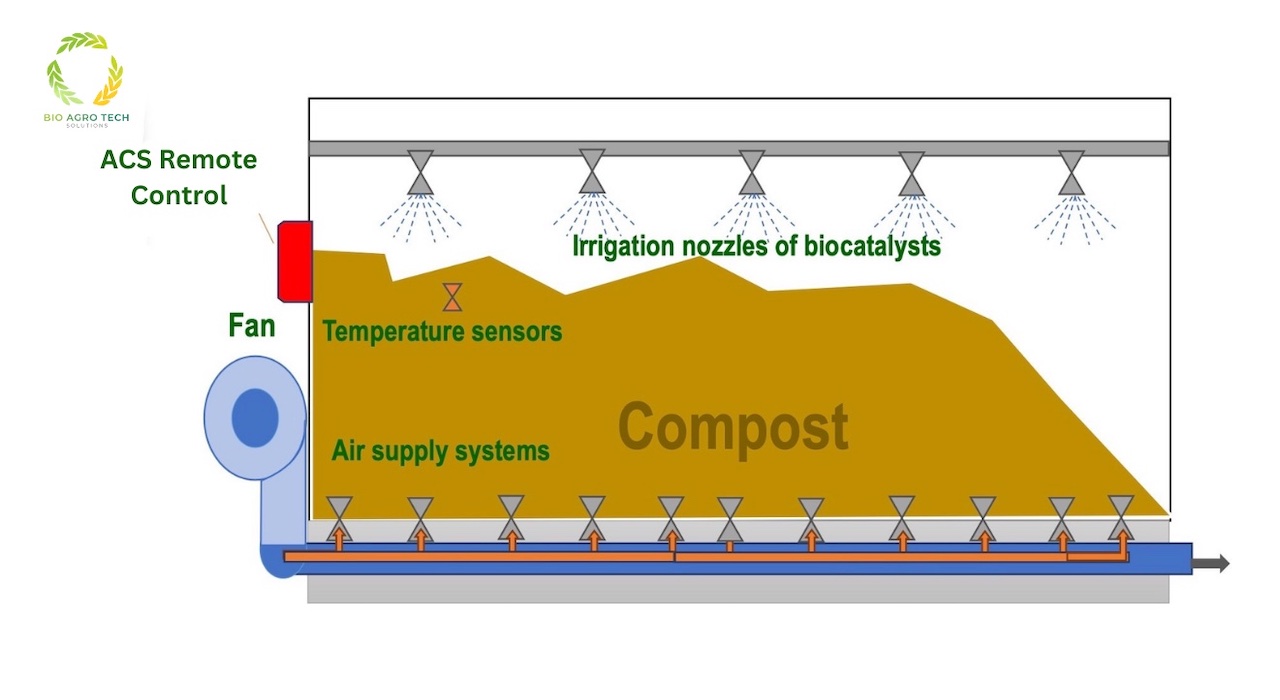
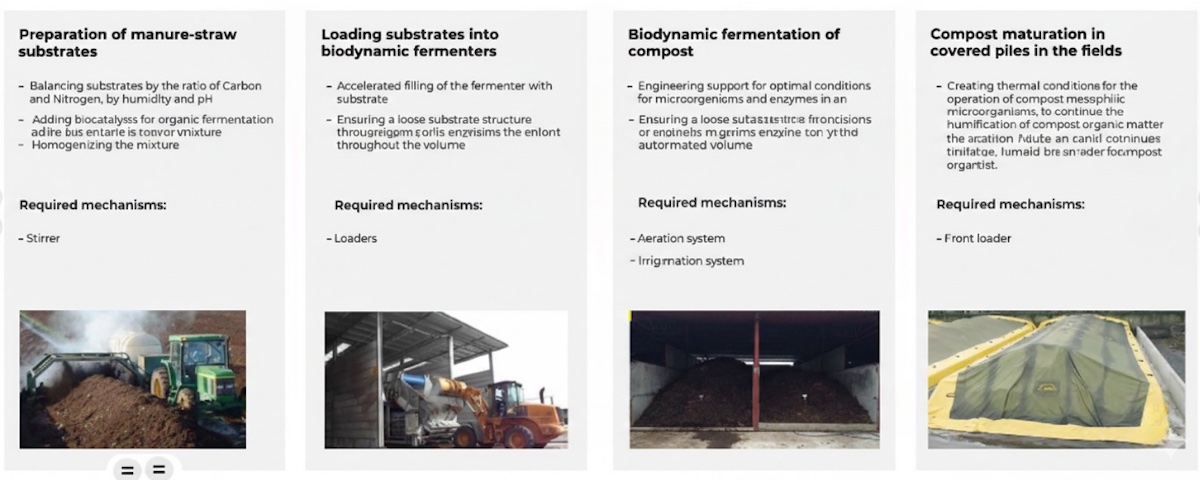
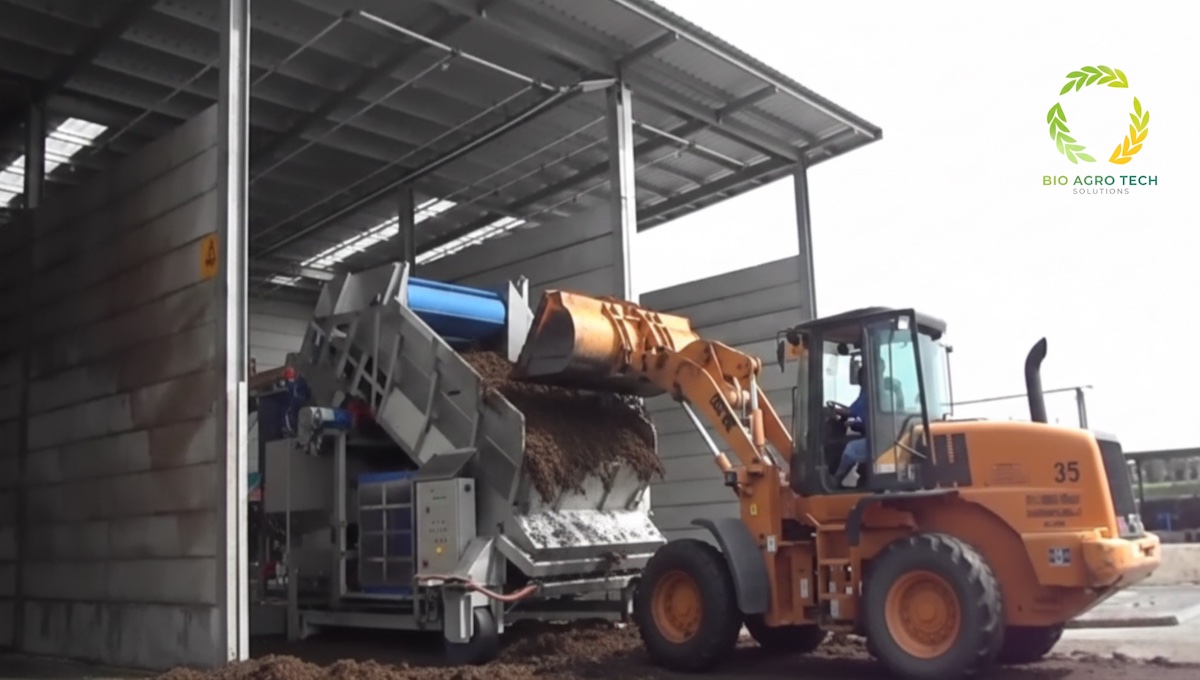
HOW BIODYNAMIC FERMENTER OPERATES
Biodynamic fermentation is achieved through:
Automated control of technical processes
test
Creation of optimal conditions for the operation of a high-density association ACS remote control Fan of native microorganisms of manure
test
Fractional aeration of large substrate masses on a small area
Fractional irrigation of the substrate with biocatalysts
BOOST FERMENTATION PROCESS
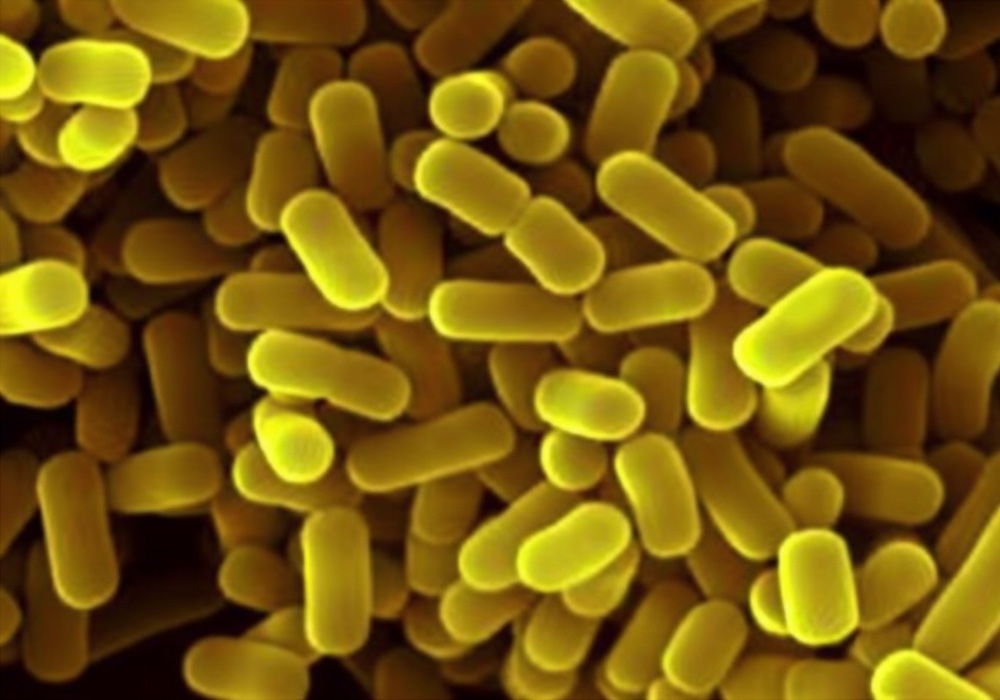
The composition of the bioproducts is made of carefully selected and cultivated unique strains of bacteria:
Lactobacillus Plantarum
test
Streptococcus Thermophilus
test
Azotobacter
Bacillus Subtilis
test
Other Strains
The bacteria mixture may depend on the composition of the raw material and maybe selected individually.
MAIN TECHNOLOGICAL OPERATIONS OF COMPOSTING
CURRENT IMPLEMENTATION OF THE TECHNOLOGY
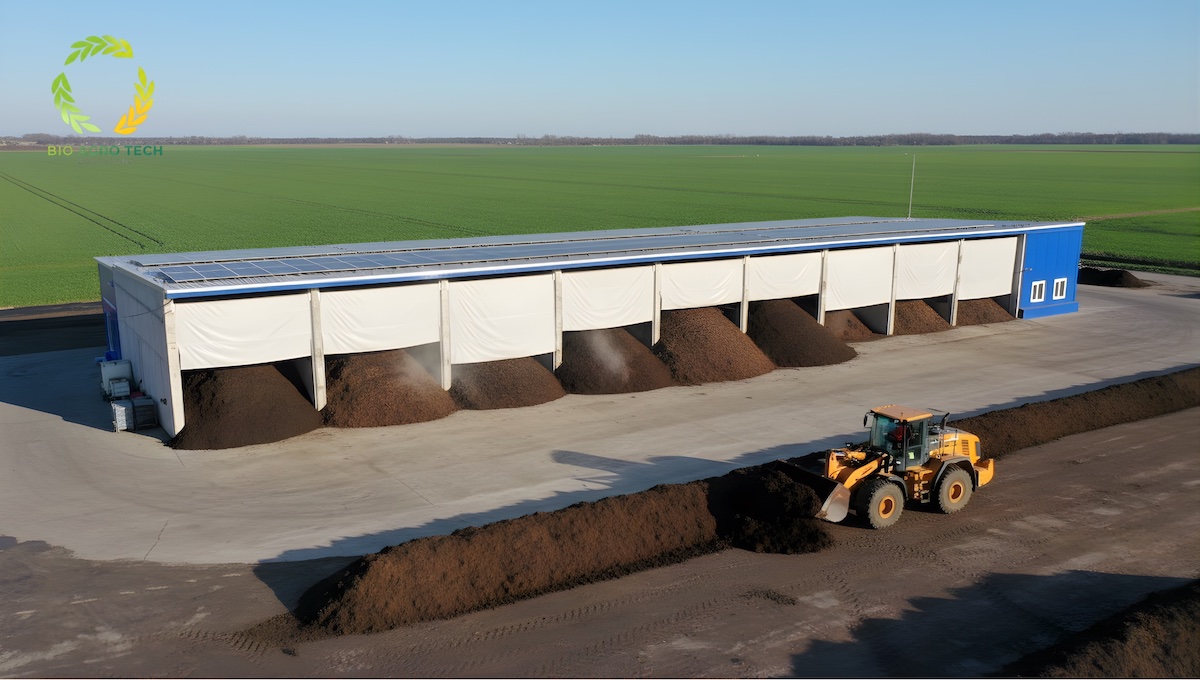
The BIODYNAMIC FERMENTATION TECHNOLOGY has been sold to Singapore Olam Group Ltd. In 2025 a production facility with 45,000 tons/year of production capacity was built and put into operation in Eastern Europe.
Project Calculation for 5000 cows
Initial Data
Estimated volume of cow dung: 7 kg/day × 365 days × 5000 cows = 12,755 tons/year
Farm employment: 3 workers per acre × 15,000 acres = 45,000 people employed annually through conversion of barren land into productive farmland
All these jobs are created in rural areas and can be easily multiplied by establishing more units or multiplying the unit’s capacity.
USING ORGANIC FERTILIZERS TO TREAT ALKALINE/BARREN LAND
Organic fertilizers from BDF unit can be further mixed with Ionized minerals and Phosphogypsum (waste received from DAP plant) in order to restore soil fertility. Usage of these components in specific proportions decreases pH from 11,5 to 8-8,5 in 4-6 months and increases available nutrient elements in the soil.
Treatment should be done before rainy season.
This benefits the farmers and municipalities in several ways:
Additional carbon credit earning by
converting of Alkaline land to cultivatable land (As per findings Alkaline land emits more of CO2 gas than Cultivatable land )
New employment generated on permanent basis at farmland for farmers
The country can become less dependent on grain imports as the agricultural land area will increase
WE SUGGEST GOVERNMENT BODIES OF DEVELOPING AND UNDERDEVELOPED COUNTRIES WHO ARE HAVING ALKALINE LANDS
SUPPORT LOCAL INITIATIVES TO SET UP BDF units on a which will increase rural development and employment and make regional agriculture more fruitful and self-sustainable municipal level
ENCOURAGE THE USE OF EFFECTIVE ORGANIC MANURE WHICH IS ABLE TO SUBSTITUE MINERAL FERTILIZERS by spreading knowledge about the technology and its effects
ENCOURAGE THE USE OF ORGANIC MANURE Along with Ionised Minerals and Phosphogypsum